August 18, 2026
Dental crowns have evolved significantly over the years, with zirconia emerging as a popular choice due to its durability and aesthetic appeal. This article explores the various benefits, material options, and current trends associated with zirconia dental crowns. There has been a notable surge in the adoption of zirconia crowns, fueled by the innovation in dental materials and the growing demand for aesthetically pleasing yet durable dental solutions. As patients increasingly prioritize both functionality and aesthetic outcomes, dentists are gravitating towards materials that provide the best of both worlds. Zirconia crowns have thus become an integral part of restorative dentistry, offering a promising future ahead.
Understanding Zirconia as a Dental Material
Characteristics of Zirconia
Zirconia is known for its exceptional physical properties, which include high fracture toughness and strength. It is a crystalline oxide of zirconium and stands out for its ability to withstand high loads without breaking. The material is resistant to chipping and offers excellent biocompatibility, making it suitable for patients with allergies to metals. Additionally, zirconia is known for its white color, which closely resembles the natural tooth, giving it an aesthetic edge. Its properties make zirconia an ideal candidate for dental restorations, aimed at achieving both functionality and appearance.
The Evolution of Zirconia in Dentistry
The use of zirconia in dentistry has evolved from being an experimental material to becoming mainstream. Early adopters have contributed to the material's acceptance by demonstrating its effectiveness and durability. With advancements in ceramic science, the application of zirconia has expanded beyond crowns to include other prosthetics. This evolution has been marked by improvements in translucency and color matching, catering to the increasing aesthetic demands of patients. According to Fortunebusinessinsights.com, the market in the U.S. for dental crowns and bridges is estimated to reach USD 1.43 billion by 2026. Over time, zirconia has gained the trust of both dentists and patients alike, becoming a go-to material for durable and natural-looking dental restorations.
Comparison with Other Dental Materials
In comparison to other dental materials like porcelain-fused-to-metal (PFM) and all-ceramic crowns, zirconia holds several advantages. PFMs offer strength but lack the translucency and aesthetic appeal that zirconia provides. On the other hand, all-ceramic crowns are more aesthetically pleasing but often lack the strength that zirconia crowns possess. Zirconia combines the best of both worlds, offering durability akin to metal while providing the aesthetics of ceramic crowns. This characteristic position of zirconia makes it an attractive option for both posterior and anterior restorations.
Scientific Research and Findings
Extensive research has been conducted to understand the properties and performance of zirconia in dental applications. Studies reveal that zirconia crowns demonstrate superior longevity and perform admirably under the wear and tear of daily oral functions. Clinical trials and scientific evaluations consistently highlight zirconia's minimal plaque accumulation and resistance to discoloration. Research also emphasizes the material's biocompatibility, showing little to no adverse reaction when in contact with oral tissues. The evidence from scientific findings underscores zirconia's potential as a superior choice in restorative dentistry.
Applications of Zirconia in Dentistry
Zirconia's applications within dentistry extend beyond just
dental crowns. It is used for making bridges, inlays, and onlays, as well as for implant abutments due to its strength and tissue-friendly nature. Dentists utilize zirconia for full-arch restorations, leveraging its robust physical properties for cases that require extensive dental reconstruction. Furthermore, its excellent aesthetic properties make it a preferred choice for anterior restorations where appearance is crucial. The adaptability of zirconia for various dental applications demonstrates its versatility and showcases its broad potential in modern dentistry.
Benefits of Zirconia Crowns
Durability and Strength
Zirconia crowns are renowned for their exceptional durability and strength, outshining many other restorative materials. They can withstand significant biting and chewing forces, making them ideal for posterior teeth restorations. This strength significantly reduces the likelihood of fractures or chipping, thus extending the lifespan of the crown. The durability factor is especially crucial as it ensures that patients can enjoy the full benefits of their restorations without frequent replacements. The inherent mechanical properties of zirconia make it an undisputed leader in restorative biomaterials.
Aesthetic Appeal
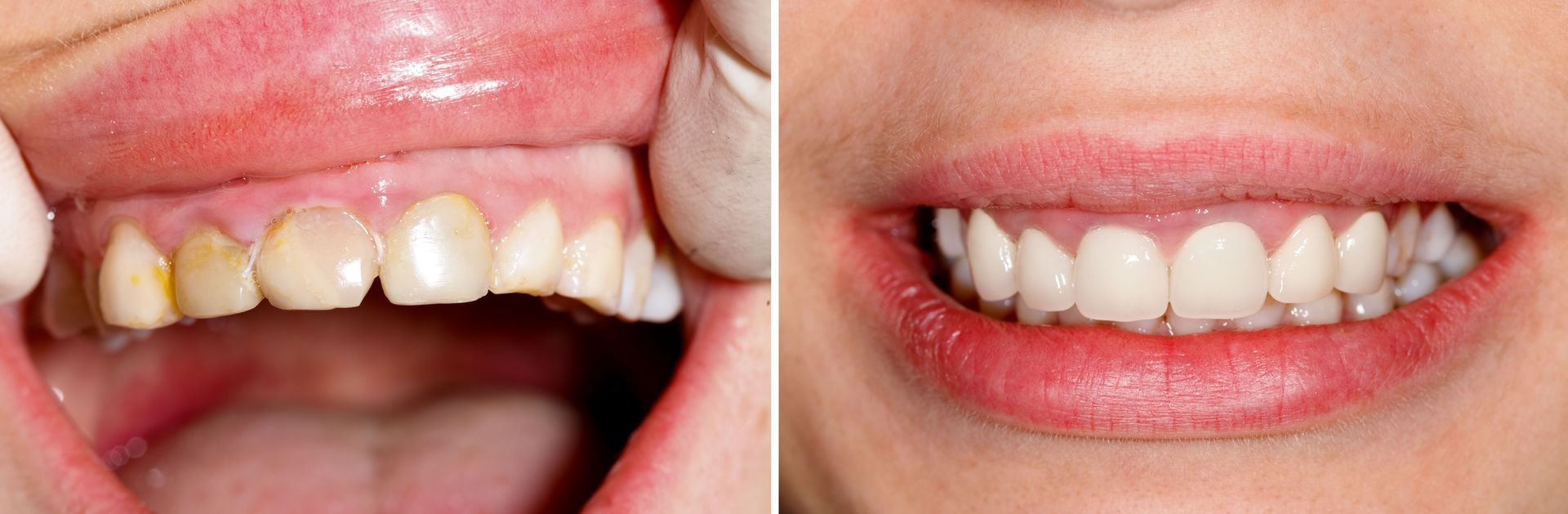
Aesthetic considerations play a vital role in the choice of dental materials, and zirconia does not disappoint. Its natural white color and translucency allow it to mimic the appearance of natural teeth effectively. Advances in zirconia technology have led to materials that offer improved translucency, enabling dentists to achieve excellent color matching. Zirconia crowns can deliver aesthetically pleasing results that seamlessly blend with the surrounding dentition, enhancing patients' satisfaction with their dental work. The combination of strength and beauty makes zirconia an appealing choice for those desiring both functionality and aesthetics.
Resistance to Wear and Corrosion
Zirconia exhibits outstanding resistance to wear and corrosion, factors critical for longevity in dental restorations. Its high density and hardness contribute to its ability to resist wear from regular oral activities, including chewing and grinding. Unlike metal-based crowns, zirconia does not tarnish or undergo galvanic reactions, ensuring it remains aesthetically stable over its lifetime. The corrosion resistance also implies that zirconia crowns maintain their structural integrity and continue to perform effectively throughout their expected lifespan. This resistance strengthens its position as a preferred material in restorative dentistry.
Versatility in Dental Applications
Zirconia's versatility allows it to be adapted to various types of dental applications, catering to diverse patient needs. Whether it's a single crown, multiple unit bridge, or complex full-arch reconstruction, zirconia can be tailored to fit. Its thermal stability and robust physical properties make it suitable for multiple restorations across varied conditions and use cases. The versatility extends to its application techniques, ranging from traditional cementation to advanced bonding methods. This adaptability ensures that zirconia crowns are not only effective but also versatile enough to handle a broad spectrum of dental challenges.
Material Options for Zirconia Crowns
Solid Zirconia Crowns
Solid zirconia crowns, known for their impressive strength, are ideal for patients with high bite pressure. These crowns are made from a single block of zirconia, providing unparalleled durability compared to layered options. They are particularly suited for molars and areas that need extra reinforcement against wear and tear. Although less translucent than some other options, advancements have improved their aesthetic outcomes significantly. Solid zirconia crowns deliver a robust solution for dental restorations, often recommended for those with bruxism or in need of strong posterior restorations.
Layered Zirconia Crowns
Layered zirconia crowns combine a zirconia core with a highly aesthetic ceramic outer layer, offering the best of both strength and appearance. These crowns provide the durability that zirconia is known for while ensuring high translucency and natural aesthetics due to the layered ceramic. Dentists commonly choose layered zirconia for anterior restorations where cosmetic requirements are high. The addition of a ceramic layer allows for detailed customization to match neighboring teeth precisely. This choice remains popular due to its balance of aesthetic appeal and structural integrity.
Monolithic Zirconia Crowns
Monolithic zirconia crowns are single-layered and crafted entirely from zirconia, offering high strength with improved esthetic potential. They are an excellent alternative for patients wanting to mitigate the risk of chipping or breakage. Due to technological advancements, monolithic zirconia now provides improved translucency, making it suitable for both anterior and posterior teeth. They deliver a balance of aesthetic satisfaction and functionality, minimizing the limitations seen with other single-layer materials. This option is particularly appealing for those desiring minimal maintenance and optimal endurance.
High Translucency Zirconia
High translucency zirconia is engineered for enhanced esthetic outcomes, achieving the closest match to natural tooth enamel among zirconia options. This type of zirconia crowns features increased translucency and color gradient benefits, improving their application in cosmetic dentistry. Dental professionals use high-translucency zirconia crowns primarily for front teeth, where appearance is paramount. These crowns maintain the essential durability of zirconia while offering an appealing natural brightness crucial for visible portions of the mouth. As such, it represents a significant advancement, particularly in achieving natural cosmetic results without compromising on strength.
All in all, Zirconia crowns are a popular choice for dentists and patients alike due to their versatility, aesthetic appeal, and durability. To learn more, contact Trans Dental Care. We are prepared to help your teeth feel and look their best!