September 14, 2026
Oral health is a fundamental component of overall well-being, often serving as an indicator of overall health status. Regular dental check-ups play an essential role in maintaining oral health, offering opportunities for preventive care and early intervention. Beyond addressing evident pains or issues, these visits ensure comprehensive examinations that can prevent minor problems from escalating into significant health concerns. By prioritizing routine visits to a local dentist, one can achieve and maintain a healthier, brighter smile and improve overall health.
Prevention of Dental Issues
Early Detection of Cavities
The early detection of cavities is a critical aspect of preventive dentistry. Dental visits allow for the early identification of small cavities, which are much easier and less expensive to treat compared to larger cavities that can form over time. Often, cavities can develop without immediate pain or visible signs, making routine examinations crucial to spot these potential problems. By addressing cavities early, patients can avoid more invasive procedures such as root canals or extractions in the future. Early detection by a local dentist thus preserves the natural tooth structure and maintains optimal oral health.
Monitoring Gum Health
Gum health is paramount to overall oral health, and it plays a significant role during dental check-ups. Dentists thoroughly assess gum tissue to identify signs of gum disease, a condition that can silently lead to tooth loss and other systemic issues if left untreated. According to Forbes, visiting a local dentist at least one time per year can help detect and treat gum disease. Early intervention through regular check-ups can include specialized cleaning, advice on proper brushing techniques, and tailored treatments to address receding gums or inflammation. Maintaining healthy gums is essential for preventing further oral complications and achieving a healthy smile.
Identifying Signs of Oral Cancer
Oral cancer detection is a crucial part of dental examinations, allowing for early intervention and improving survival rates. Dental professionals are trained to spot early signs of oral cancer, such as unusual sores, warts, or discolored tissues. Patients often have no symptoms in the early stages, which makes routine visits a key factor in catching problems early. The ability to detect these signs early provides a better prognosis and minimizes treatment complications. Regular visits with a local dentist, therefore, act as a frontline defense against serious health issues like oral cancer.
Preventive Care Through Professional Cleanings
Professional cleanings during dental visits help maintain dental hygiene and prevent common oral diseases. Despite regular brushing and flossing, plaque and tartar can accumulate in hard-to-reach areas. A dental cleaning removes these deposits, reducing the risks of cavities and gum disease significantly. By investing time in dental cleanings, patients save on costly and intensive dental procedures in the future. Professional cleanings are a proactive approach to maintaining both oral health and overall well-being.
Assessment of Oral Hygiene Practices
Assessing oral hygiene practices forms a vital part of dental visits, offering a chance to refine and adjust home care routines. Dental professionals provide personalized advice based on the individual's dental health status, reinforcing effective habits and addressing areas needing improvement. They may recommend specific toothbrushes, toothpaste, or flossing techniques tailored to unique needs.
Professional Cleaning
Removal of Plaque and Tartar
Removing plaque and tartar are fundamental actions performed during professional dental cleanings. Plaque, a sticky film of bacteria, can harden into tartar if not regularly removed, leading to gum disease and tooth decay. Regular cleanings prevent this accumulation, protecting teeth and gums from harmful bacteria. Over time, unchecked plaque and tartar may lead to inflammation, bleeding, and infection of the gums.
Comprehensive Teeth Polishing
Teeth polishing offers both cosmetic and health benefits, providing patients with a cleaner, shinier smile post-cleaning. Polishing removes surface stains caused by food, drink, and smoking, and aids in removing plaque that was left after scaling. Beyond aesthetic improvements, polished teeth make it more challenging for plaque to adhere, slowing down further accumulation. The result is not only a whiter smile but also healthier teeth less prone to cavities. Emphasizing cleanliness, polishing enhances one's confidence through improved oral health and fresher breath.
Fluoride Treatment Options
Fluoride treatments are offered during many professional cleanings to strengthen tooth enamel and prevent decay. Fluoride's role in remineralizing enamel is vital, especially for those at higher risk of cavities. Dental professionals provide various fluoride application methods, including gels, foams, or varnishes, each tailored to patient needs. This preventive treatment is not just for children but is beneficial for adults too, ensuring teeth remain strong and resistant to decay. Regular application of fluoride amplifies the protective effects of professional cleanings.
Reducing the Risk of Tooth Decay
Regular dental cleanings significantly reduce the risk of developing tooth decay by removing deposits that encourage bacterial growth. Cleanings complement at-home oral care routines by targeting areas frequently missed due to their location or negligence. By decreasing the bacterial load in the mouth, cleanings directly impact the progression of tooth decay. This preventive approach saves both time and money by avoiding more extensive and costly treatments in the long run.
Brightening Your Smile
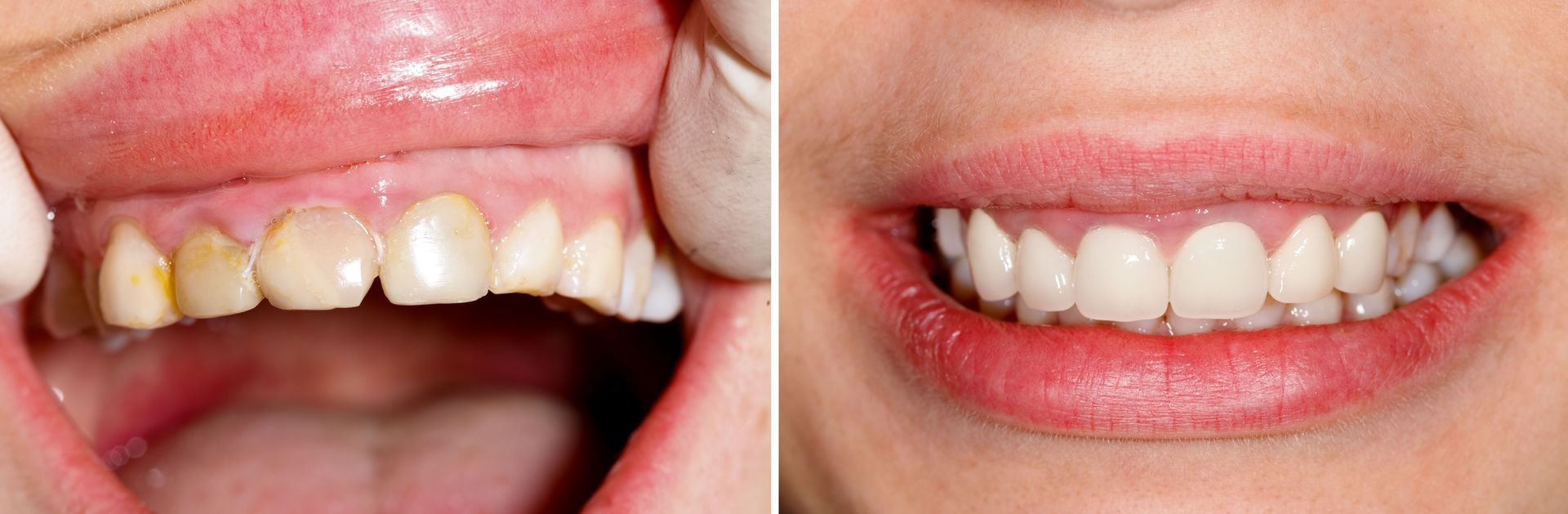
A bright smile is one of the most noticeable benefits of committing to regular dental cleanings. Beyond plaque and tartar removal, cleanings help eliminate surface stains, leaving teeth looking cleaner and brighter. A brighter smile boosts self-confidence and creates a lasting impression in social and professional interactions. Maintaining a bright smile reflects the overarching commitment to personal health and well-being. Professional cleanings by a local dentist thus offer significant aesthetic enhancements that contribute positively to one's self-image.
Long-Term Health Benefits
Connection Between Oral Health and Heart Health
Emerging research highlights the intriguing connection between oral health and cardiovascular health. Inflammation and bacteria from periodontal disease have been linked to heart problems such as heart attacks and strokes. Regular dental visits, by keeping gum disease in check, subsequently reduce inflammation that may otherwise affect overall health. Addressing oral health issues promptly can help mitigate risks associated with heart disease. Routine care acts as a preventive measure that supports long-term systemic health beyond the mouth.
Impact on Diabetes Management
Diabetes management is intricately connected to oral health due to the bidirectional relationship between gum disease and blood sugar control. Poor oral health can lead to complications in managing diabetes, while high blood sugar levels can increase the risk of gum disease. Routine dental visits, focusing on preserving gum health, subsequently aid better diabetes management. By reducing inflammation and controlling infections, regular care can support stable blood sugar levels, offering patients better overall health management. Consequently, collaboration between dental and medical professionals could yield substantial health benefits for diabetic patients.
Oral Health's Role in Preventing Dementia
Research into oral health's impact on cognitive function has revealed potential links to conditions such as dementia. Inflammatory processes that start in the mouth may contribute to brain inflammation, affecting cognitive abilities over time. Regular visits with a local dentist help minimize oral inflammation through vigilant care, ultimately protecting cognitive health. By prioritizing oral hygiene, individuals could potentially influence their cognitive longevity.
Reducing the Risk of Infections
Diligent oral care reduces the risk of infections that might otherwise spread beyond the oral cavity. Bacteria from the mouth can enter the bloodstream, leading to complications such as endocarditis, especially in individuals with compromised immune systems. Regular dental visits keep bacterial loads in check through cleanings and other preventive measures. A focus on oral health thereby contributes to safeguarding vulnerable individuals against broader health threats.
Maintaining Oral Functionality
Oral functionality is preserved through preventive care, ensuring individuals can continue activities such as speaking, chewing, and smiling with ease. Losing teeth, experiencing pain, or dealing with infections undermines these essential functions. Regular dental check-ups address problems proactively, maintaining optimal oral performance. With healthy teeth and gums, individuals can enjoy a diverse diet, communicate effectively, and maintain their self-esteem. Hence, the long-term benefits of dental visits extend beyond health, deeply influencing everyday life quality.
Routine visits with a local dentist are a cornerstone of comprehensive health management, offering preventive care that benefits both oral and systemic health. These appointments serve crucial roles in identifying issues early, guiding personalized care strategies, and enhancing overall life quality. Reach out to Trans Dental Care today to get started!