March 18, 2026
Maintaining strong teeth and a healthy smile often requires more than just daily brushing and flossing. Modern dentistry offers a variety of restorative solutions designed to repair damaged teeth and preserve long-term oral function. Among the most versatile and effective of these treatments are dental crowns. By covering and protecting compromised teeth, dental crowns restore both their structural integrity and appearance, providing patients with a reliable, long-term solution for a wide range of dental issues.
Dental crowns offer more than just restorative benefits—they also improve oral aesthetics, balance bite alignment, and enhance overall dental health. They can prevent further damage to weakened teeth, restore proper chewing function, and help maintain the natural spacing of surrounding teeth. Understanding how dental crowns work, the materials used, and the benefits they provide allows patients to make informed decisions about preserving their oral health.
Understanding What Dental Crowns Are
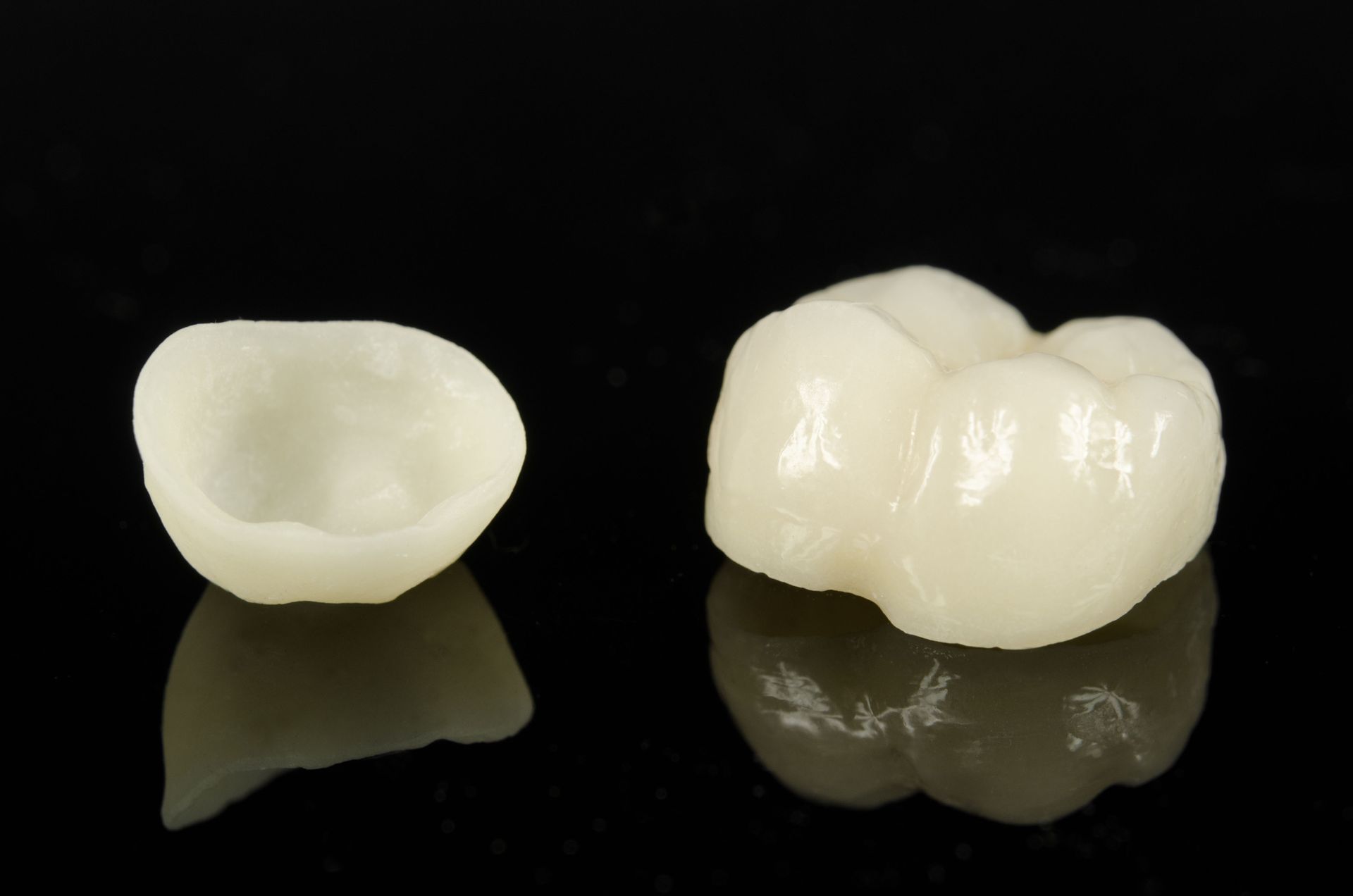
Dental crowns are custom-made caps that fully cover the visible portion of a damaged tooth above the gum line. They are designed to restore the tooth’s natural shape, strength, and function while providing protection against further decay or fractures. By encasing a compromised tooth, dental crowns act as a shield, allowing patients to chew, speak, and smile confidently without worrying about additional damage.
Dentists commonly recommend dental crowns for teeth weakened by decay, cracks, or large fillings that cannot be effectively restored with traditional fillings. This approach preserves the remaining healthy tooth structure, preventing the need for extraction in many cases. In addition to structural benefits, dental crowns help maintain the alignment of surrounding teeth, preventing issues like crowding or uneven bites that can develop if a damaged tooth is left untreated.
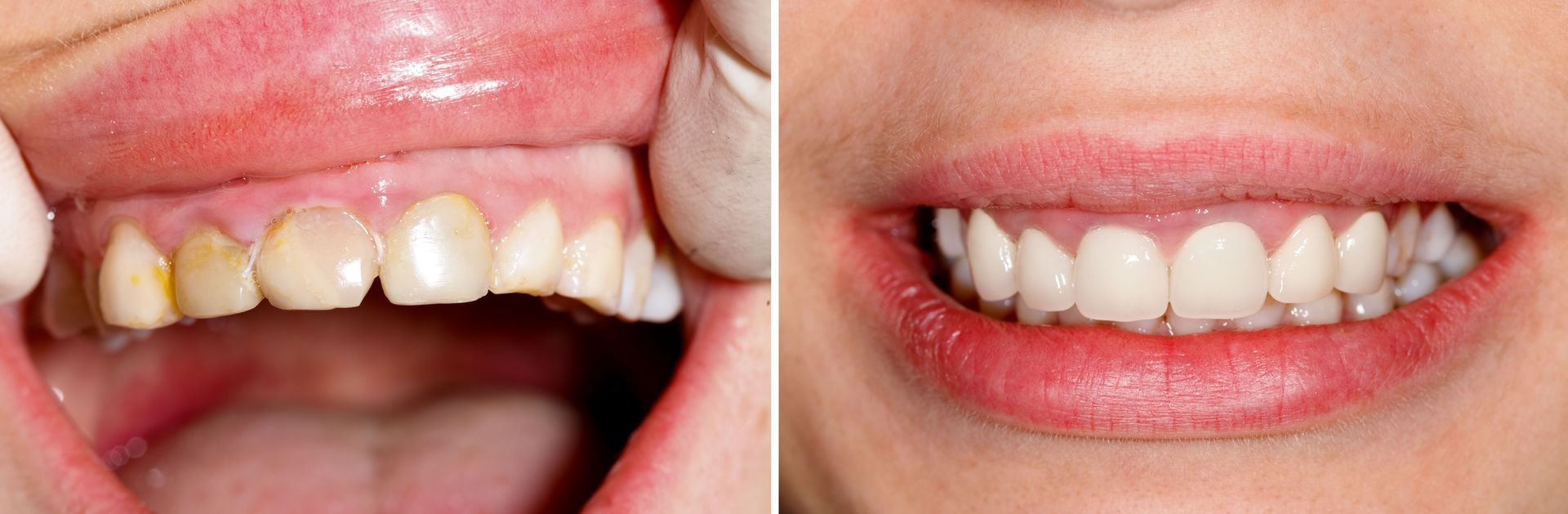
Beyond restoring function, dental crowns also play an essential role in enhancing the appearance of a smile. They can correct misshapen or discolored teeth, creating a uniform, aesthetically pleasing look. By addressing both functional and cosmetic concerns, dental crowns have become a cornerstone of comprehensive oral care.
Exploring Materials Used for Dental Crowns
Dental crowns can be crafted from a variety of materials, each chosen for its specific advantages depending on the tooth’s location and the patient’s needs. Porcelain and ceramic crowns are popular choices for front teeth because of their natural appearance. These materials can be color-matched to surrounding teeth, resulting in a seamless smile that is virtually indistinguishable from natural teeth.
For teeth subjected to greater chewing forces, metal crowns are often recommended. Gold and other metal alloys offer exceptional durability and resistance to cracking, making them ideal for molars in the back of the mouth. While they may not match the natural color of teeth, their strength and longevity make them an excellent functional option.
Porcelain-fused-to-metal crowns combine the aesthetic appeal of porcelain with the strength of metal, offering the best of both worlds. The choice of crown material is influenced by patient preferences, budget considerations, and the functional demands of the tooth. Selecting the right material ensures that dental crowns not only restore structural integrity but also blend naturally with the patient’s smile.
Learning When Dentists Recommend Dental Crowns
Dental crowns are indicated in many situations where a tooth requires additional protection or restoration. They are commonly used to repair teeth that are severely decayed, fractured, or worn down. After root canal therapy, a tooth may become brittle and prone to breaking, making a crown essential for reinforcing the treated tooth. Crowns also support dental bridges or cover implants, demonstrating their versatility in modern dentistry.
The need for dental crowns is widespread. According to HRSA, one in four adults between the ages of 20 and 64 currently has cavities, many of which could eventually require crowns if left untreated. Beyond restorative needs, crowns are often employed for cosmetic purposes, covering discolored, misshapen, or uneven teeth to create a balanced, attractive smile. This combination of protective and aesthetic benefits underscores the importance of dental crowns in both routine and advanced dental care.
By addressing structural weaknesses, restoring function, and improving appearance, dental crowns provide comprehensive solutions for patients of all ages. Dentists carefully evaluate each case to ensure the crown meets the unique needs of the individual tooth and contributes positively to long-term oral health.
Examining the Procedure for Placing Dental Crowns
Placing a dental crown involves a carefully planned process designed to ensure optimal fit and long-term performance. The procedure typically begins with a detailed evaluation of the affected tooth. The dentist examines the tooth structure and determines whether a crown is necessary. If so, the tooth is reshaped to create space for the crown, and an impression is taken to fabricate a custom restoration.
During the interim, a temporary crown may be placed to protect the tooth and maintain normal function. Once the permanent crown is ready, it is carefully fitted, adjusted, and cemented in place to ensure proper alignment with surrounding teeth. This meticulous process results in a restoration that restores both function and aesthetics.
Advancements in dental technology have also introduced same-day crowns using digital imaging and CAD/CAM systems. These systems allow the dentist to design and produce the crown in a single visit, minimizing treatment time while maintaining precision. The end result is a durable, natural-looking tooth that enhances oral function and smile aesthetics.
Recognizing Restorative and Cosmetic Benefits
Dental crowns provide a combination of restorative and cosmetic advantages. Structurally, they reinforce weakened teeth, redistribute biting forces, and prevent further fractures. They restore the tooth’s full function, allowing patients to chew normally and speak comfortably. Crowns also prevent excessive wear on adjacent teeth by maintaining proper bite alignment and spacing.
Cosmetically, dental crowns correct irregularities in tooth shape, size, and color. Discolored, chipped, or uneven teeth can be transformed into a uniform, attractive smile. Crowns placed on front teeth are carefully matched to surrounding teeth to create a seamless look, while crowns on molars provide strength without compromising overall dental function.
In addition to aesthetics, crowns contribute to long-term oral health. They protect underlying teeth from decay, reduce the risk of fractures, and facilitate easier cleaning of surrounding areas. This combination of functional, preventive, and cosmetic benefits makes dental crowns an essential component of modern dental care.
Maintaining Dental Crowns for Long-Term Health
Proper maintenance is key to ensuring that dental crowns last as long as possible. With good oral hygiene, including brushing, flossing, and regular dental checkups, crowns can last a decade or more. While the crown itself cannot decay, the underlying tooth remains vulnerable, making routine care essential to prevent further problems.
Patients should avoid habits that can damage crowns, such as chewing hard foods, biting nails, or using teeth to open packages. Those who grind their teeth may benefit from nightguards to protect their restorations. Regular dental visits allow for early detection of wear, loosening, or alignment issues, helping to extend the life of the crown. By combining professional dental care with conscientious home hygiene, patients can enjoy both the functional and aesthetic benefits of dental crowns for many years. These restorations protect teeth, improve oral function, and help maintain a confident, healthy smile.
Dental crowns are a vital part of modern dentistry, offering protection, strength, and aesthetic enhancement for damaged or compromised teeth. They restore chewing ability, reinforce weakened structures, and correct cosmetic imperfections, making them an indispensable solution for maintaining long-term oral health. By addressing both functional and cosmetic needs, dental crowns ensure that patients can enjoy durable, attractive, and healthy smiles.
With proper care, regular dental visits, and careful material selection, dental crowns can last for many years, preventing further dental complications while enhancing confidence. For anyone looking to restore damaged teeth or improve their oral health, Trans Dental Care provides expert guidance and high-quality dental crowns to protect and enhance your smile for years to come.