January 29, 2026
Regular dental visits are an essential component of maintaining oral health, yet many individuals delay or avoid these appointments. This article explores the compelling reasons why you shouldn't put off visiting a general dentist, emphasizing the long-term health, financial, and aesthetic benefits of timely dental care.
Understanding The Importance of Early Detection
Early detection of dental issues is vital because many oral conditions start small but become more severe if left untreated. Gum disease and tooth decay, for example, can develop gradually without constant vigilance. Regular dental check-ups play a crucial role in identifying such problems at an early stage, ensuring they are manageable with minimal discomfort. Without these routine evaluations, minor issues can progress into more serious health complications that require extensive and invasive treatments. As such, understanding the risks of undiagnosed conditions highlights why timely dental visits are indispensable.
A general dentist possesses specialized skills and tools that allow them to detect dental issues before patients notice symptoms. They utilize x-rays, dental probes, and other instruments to check for cavity formation, gum inflammation, and other potential problems. These techniques enable dentists to take preemptive measures, such as applying fluoride treatments or filling small cavities before they develop into major issues. According to Forbes, visiting the general dentist at least once per year can help detect and treat gum disease. By spotting problems early, dentists can effectively prevent further deterioration and help patients maintain optimal oral health.
Preventive dental care is designed to maintain oral health by preventing disease before it starts. Regular cleanings, examinations, and fluoride treatments work hand-in-hand to keep teeth and gums in top condition. This proactive approach saves future pain, inconvenience, and expenditure associated with more severe dental interventions. Moreover, preventive care aligns with the broader concept of overall health maintenance, emphasizing the reduction of risks rather than reacting to them once they have manifested. Ensuring consistent dental visits is thus an integral aspect of a comprehensive health plan.
Preventing Tooth Decay and Gum Disease
Tooth decay is a process started by the accumulation of bacteria on the teeth. This bacteria feeds on sugars from food particles, creating acid that erodes tooth enamel. The process eventually leads to cavities, which, if left untreated, can penetrate deeper layers of the tooth and cause severe damage. Regular dental cleaning and check-ups help eliminate plaque and tartar, minimizing the risk of decay. Education on proper oral hygiene during dental visits is crucial in preventing the progression of decay.
Gum disease, particularly gingivitis and periodontitis, begins when plaque builds up under and along the gum line. This bacteria causes inflammation, damaging tissue and eventually leading to tooth loss if left unchecked. Beyond its oral impact, gum disease has been linked to more severe health conditions, including cardiovascular disease and diabetes. Dentists can identify the early signs of gum disease and provide focused cleanings to halt their development. Regular visits ensure any signs of gum inflammation are caught early, significantly reducing the risk of escalation.
Regular professional cleanings by a general dentist or hygienist are vital in fighting the progression of plaque and tartar accumulation. Plaque hardens rapidly into tartar if not removed, leading to decay and infections that regular brushing cannot tackle alone. Through scaling and polishing, dental professionals can remove both plaque and tartar, essential in preventing cavities and gum disease. These cleanings also offer a chance for dental professionals to educate patients on proper oral care techniques. Timely intervention through routine dental visits nips potential problems before they become serious.
Connecting Oral Health and Overall Well-being
Research has established a connection between poor oral health and increased risk of cardiovascular diseases. The bacteria responsible for gum infections can enter the bloodstream and contribute to plaque buildup in arteries. This buildup can lead to serious conditions such as heart attacks or strokes. Routine dental visits help manage gum health, reducing the likelihood of systemic issues affecting heart health. Maintaining oral hygiene is thus a significant step toward safeguarding cardiovascular health as part of overall well-being.
There is a bidirectional relationship between diabetes and oral health, with each condition potentially affecting the other. Diabetes can contribute to higher blood sugar levels, increasing the risk of gum disease, while periodontal infections make diabetes harder to control. Regular dental check-ups are essential in breaking this vicious cycle, assisting in the management of both periodontal stability and diabetes control. A general dentist often works closely with physicians to create a comprehensive healthcare management plan. Such interdisciplinary collaborations enhance patient outcomes by addressing both conditions concurrently.
Oral pain and discomfort can have significant psychological repercussions, affecting mood, concentration, and social interactions. Pain from cavities or gum disease can lead to irritability, depression, and decreased quality of life. Consistent dental visits help manage and prevent oral pain, reducing its psychological burden. Addressing oral discomfort promptly in dental settings ensures a balanced emotional state. Thus, maintaining oral health is closely tied to psychological well-being and overall life satisfaction.
Improving Self-Confidence and Social Interactions
A healthy smile significantly influences an individual's confidence and social interactions. Knowing one's teeth are well-maintained enhances self-esteem, encouraging positive engagements. A study on personal satisfaction highlights how a radiant smile positively affects one's perception and interaction with others. Regular dental care helps retain the natural beauty of teeth, promoting psychological well-being.
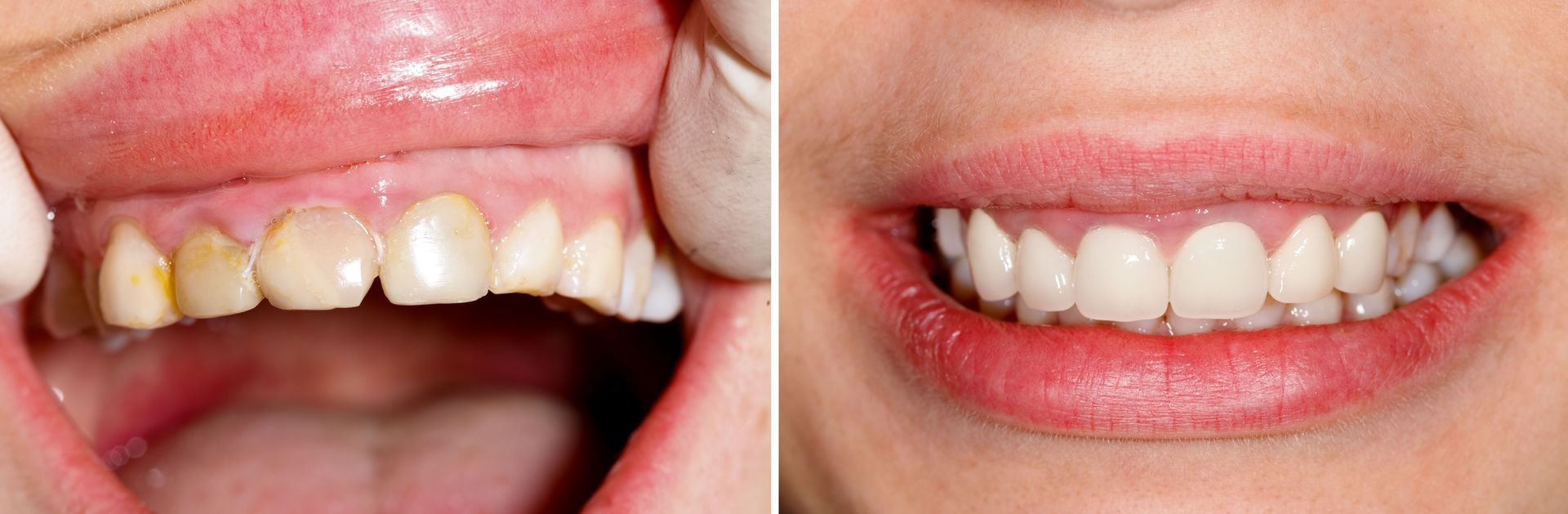
Modern dentistry offers numerous solutions for improving the aesthetic appearance of teeth. From whitening treatments to orthodontic procedures, dental practices address a variety of cosmetic concerns. Routine check-ups ensure early identification and resolution of aesthetic issues, maintaining smiles that convey health and attractiveness. These interventions transform not only teeth but also uplift one's self-image and social confidence.
Social anxiety is closely tied to concerns about dental health and perceived appearance. Individuals suffering from dental imperfections often avoid social situations, fearing judgment or embarrassment. By addressing these insecurities through routine dental visits, people can mitigate anxiety and regain social confidence. Regular dental care promotes healthier smiles, reducing self-consciousness and fostering better social experiences.
Overcoming Fear and Anxiety About Dental Visits
Fear of dental pain is a prevalent barrier, often based on misconceptions about the discomfort associated with dental procedures. Many patients avoid appointments fearing agonizing pain despite advancements in pain management techniques. Educating patients on realistic expectations and modern dental practices helps reduce this anxiety. Understanding that contemporary dentistry minimizes pain fosters greater acceptance of regular dental visits.
Dental practices employ various modern techniques to alleviate discomfort and anxiety during treatments. Advances in anesthetic delivery, laser technology, and ergonomic tools contribute to a more pain-free experience. These innovations ensure that procedures are conducted efficiently and comfortably, enhancing patient cooperation. By prioritizing patient comfort, dental professionals encourage regular visits and preventive care.
Sedation dentistry offers additional support for patients with dental anxiety, effectively managing fear and discomfort during treatments. Options ranging from nitrous oxide to conscious sedation allow patients to remain calm and relaxed. These techniques are particularly beneficial for extensive procedures or those with significant treatment apprehensions. Sedation minimizes stress and ensures smooth completion of dental treatments without distress.
Visiting a general dentist regularly is more than a recommendation; it is a necessity for maintaining optimal health, ensuring financial savings, and enhancing personal confidence. Despite common fears and misconceptions, modern dentistry offers numerous solutions to make the experience comfortable and rewarding. Prioritizing dental visits could lead to a healthier, happier life. Contact Trans Dental Care to learn how you can protect your oral health today.